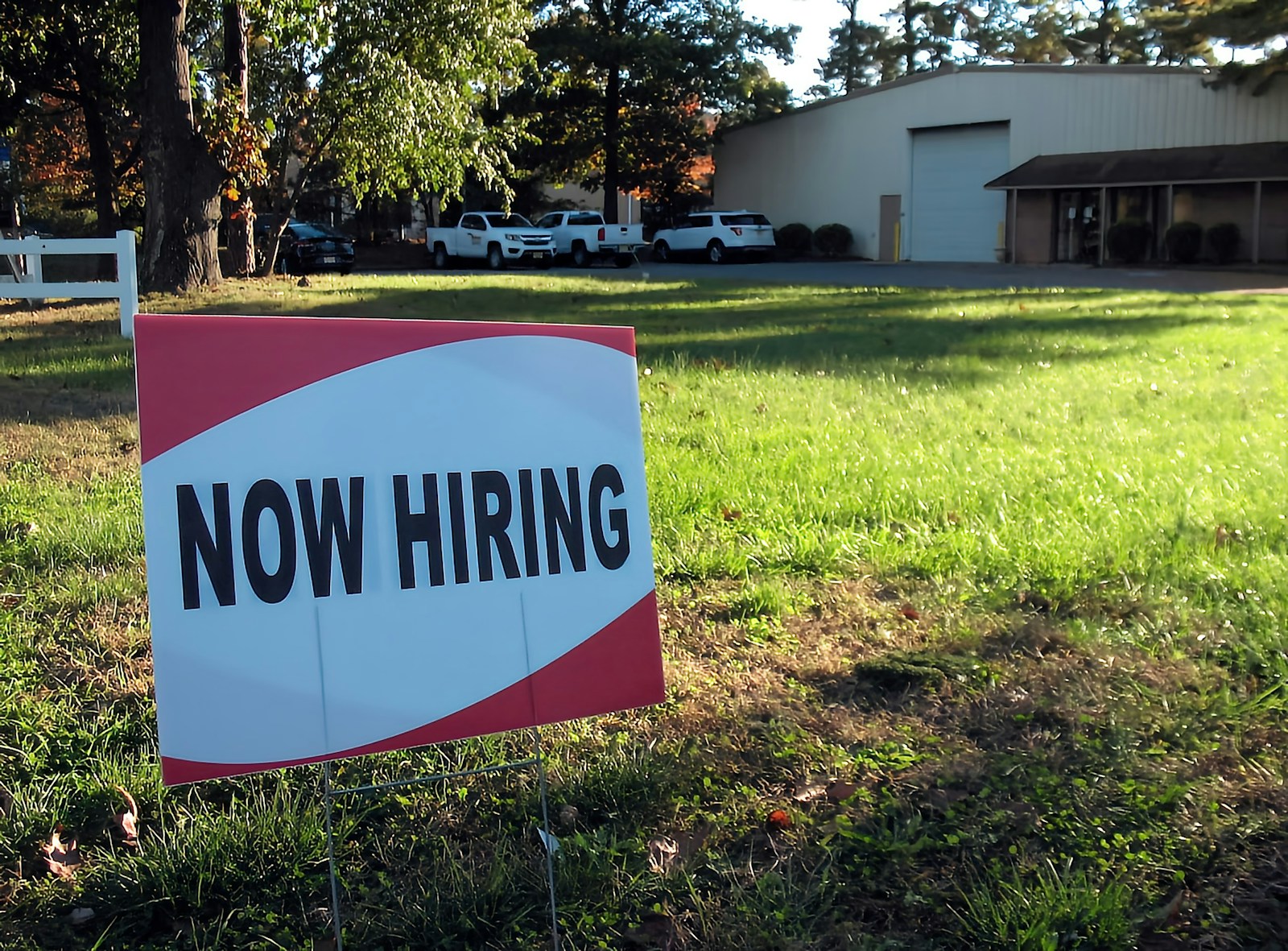
Unemployment aid programs across the United States are undergoing significant expansion. February brought new announcements from state governments, highlighting increased weekly benefits, extended eligibility periods, and compliance frameworks designed to protect workers. While unemployment remains relatively stable nationwide, states are acting proactively to strengthen safety nets and ensure that workers facing job loss receive adequate support.
States Announce Higher Weekly Benefits
Several states have increased maximum weekly unemployment benefits. According to updated reports, Massachusetts now offers up to $855 per week, while Washington provides $844. Oregon, Connecticut, and North Dakota also raised their benefit ceilings, reflecting a broader trend of states adjusting aid to match rising living costs.
These increases are designed to help workers cover essentials such as rent, utilities, and food. State officials argue that higher benefits reduce financial stress and support local economies by maintaining consumer spending. Compliance frameworks require states to report benefit adjustments to the Department of Labor, ensuring transparency and accountability.
Extended Benefits Trigger Mechanisms
The federal-state unemployment system includes Extended Benefits (EB), which activate in states with high unemployment rates. As of late December, no states were triggered “on” for EB. However, February discussions among policymakers emphasized the importance of maintaining EB readiness in case of economic downturns.
Extended Benefits provide additional weeks of aid beyond the standard 26 weeks offered in most states. Compliance rules require states to monitor unemployment rates and activate EB when thresholds are met. This ensures that workers in struggling economies receive continued support.
Federal-State Partnership in Action
The unemployment insurance system is a joint federal-state program. States administer benefits, set weekly amounts, and distribute payments. The federal government provides broad guidelines, funds administrative costs, and makes repayable advances to states that lack sufficient reserves.
This partnership ensures consistency across the country while allowing states flexibility to tailor programs to local needs. Compliance frameworks, including federal employment compliance rules, require states to align with federal standards on eligibility, reporting, and fraud prevention. These rules protect workers and ensure fairness.
Trade Adjustment Assistance Integration
Unemployment aid expansion is closely linked to the Trade Adjustment Assistance (TAA) program. TAA supports workers displaced by foreign competition, providing retraining, relocation allowances, and income support. February updates emphasized coordination between unemployment aid and TAA, ensuring that displaced workers receive comprehensive assistance.
Compliance frameworks require states to verify eligibility and report outcomes. Workers must demonstrate that job losses are tied to trade impacts. This integration strengthens support systems and ensures that aid reaches those most affected by global economic shifts.
Technology and Transparency
Technology is playing a growing role in unemployment aid. Online portals allow workers to apply for benefits, track payments, and access training resources. Digital tools provide transparency by showing how funds are allocated and how coverage expands.
States are also using technology to monitor compliance. Automated systems verify documentation, track claims, and flag irregularities. This reduces fraud and ensures that unemployment programs remain accountable. For workers, technology provides confidence by showing that aid is legitimate and secure.
Barriers to Success
Despite expansion, barriers remain. Some states face funding challenges, limiting their ability to increase benefits. Others struggle with outdated technology systems, slowing application processing. Awareness is another barrier. Many workers do not know that extended benefits or supplemental programs exist. Outreach campaigns are needed to inform citizens about available options.
Compliance requirements can also feel overwhelming. Workers must provide documentation, meet eligibility thresholds, and navigate complex rules. Simplifying processes while maintaining accountability is a priority for policymakers.
Measuring Effectiveness
Effectiveness is measured through participation, benefit adequacy, and reemployment outcomes. States track how many workers receive aid, how long they remain unemployed, and how quickly they return to work. Higher benefits reduce financial stress but must be balanced with incentives for reemployment.
Federal oversight ensures that states meet compliance standards. Reports are audited to verify accuracy. This accountability builds trust and ensures that unemployment aid programs remain fair and effective.





Leave a Reply