
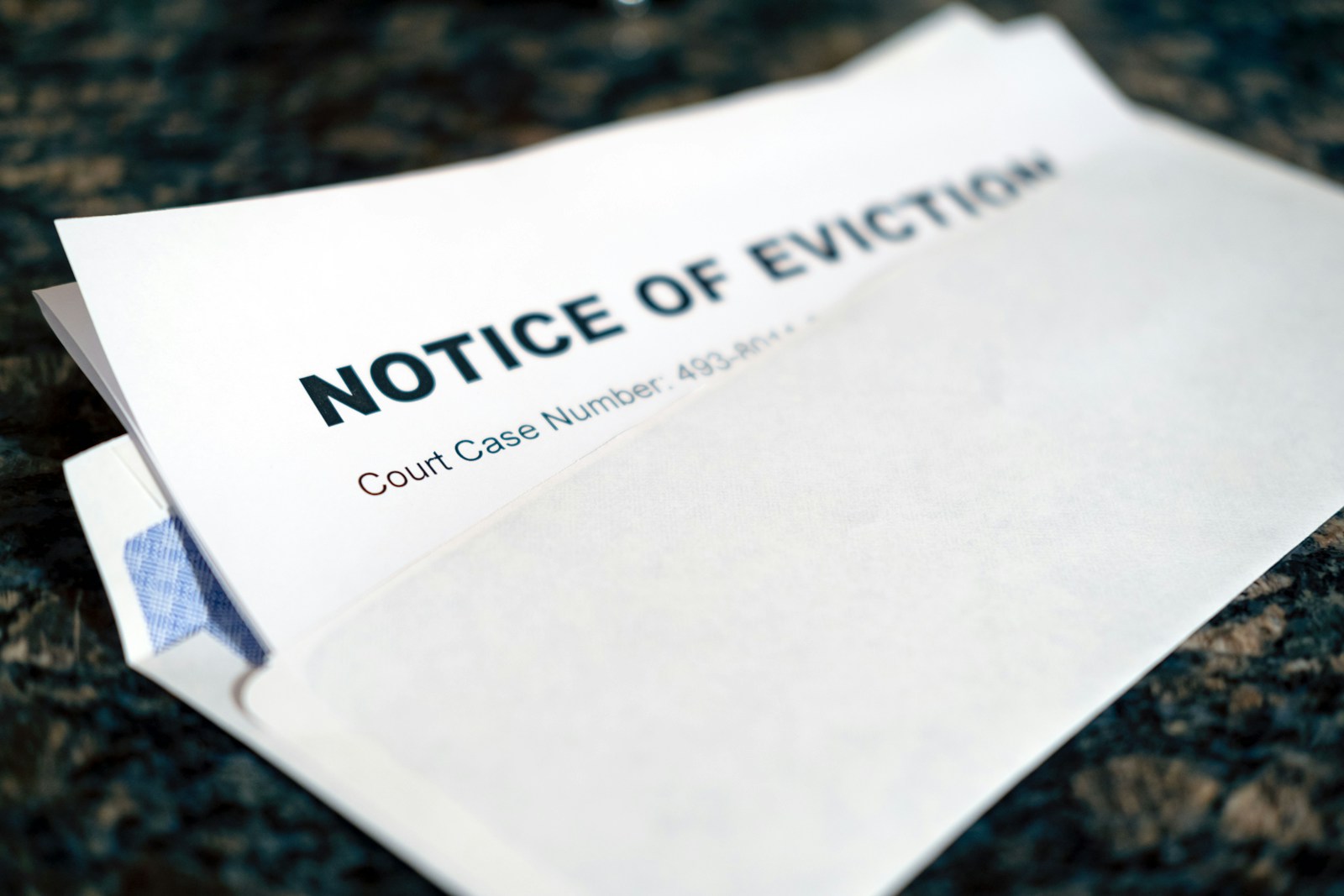
Facing eviction is one of the most stressful situations a household can go through. The good news is that help exists, and knowing how to move fast makes a real difference. Emergency rental assistance is available through federal, state, and local channels, and many programs accept applications even after a landlord has already filed. The key is knowing where to go, what to bring with you, and how the process works from start to finish so you are not losing time figuring it out when the clock is ticking.
Know Your Eligibility Before You Apply
Most emergency rental assistance programs ask for the same basic things. You need to show proof of housing instability, which can include an eviction notice, a past-due rent statement, or a letter from your landlord. Income verification is also required, and most programs serve households earning at or below 80 percent of the area median income. You do not need to already be evicted to qualify. Many programs prioritize households who are still in the threat stage, so applying early gives you a better shot at getting help before a court date is even set. According to HUD.gov, emergency rental assistance reached over 10 million households across the United States during the pandemic-era rollout, which shows how broadly these programs are designed to serve people. That reach did not happen by accident. These programs were built to be accessible, and most local offices have intake staff ready to walk you through the application if you call.
Where to Find Emergency Rental Assistance Programs
Your first stop should be your local community action agency or housing authority. These offices process most state-funded emergency rental assistance and have intake staff who can guide you through the steps. The Department of Treasury’s Emergency Rental Assistance program also works through local grantees, meaning your city or county may have its own portal separate from the state program. A quick search for your county name plus emergency rental assistance will often pull up the right page. Dialing 211 is another reliable option. That hotline connects you to local housing assistance programs in your area, including ones that are still accepting applications right now, and the operators keep updated lists so they can tell you which offices have the fastest processing times.
What Documents You Need Ready
Getting your paperwork together before you sit down to apply saves a lot of back-and-forth. Most programs will ask you to provide a photo ID, proof of your current address, your lease agreement, documentation of the amount of rent owed, and proof of income such as pay stubs or a benefits letter. Some programs accept self-certification if you do not have formal income documents, which helps people who work informal or cash-based jobs. Have your landlord’s name and contact information ready too, because many programs send payment directly to landlords and need to verify their banking details. If your landlord is unresponsive or refuses to participate, ask your program coordinator about tenant-direct payment options, which some programs offer as an alternative path forward.
What Happens After You Submit
Processing times vary. Some programs move within a week while others take several weeks depending on volume and staffing. During that window, keep a copy of your application confirmation somewhere easy to find. If you have a court date scheduled, bring your application receipt with you. Judges in many jurisdictions will pause eviction proceedings when a rental assistance application is in review, and some counties have formal policies requiring a continuance when a tenant presents a pending application. Stay in contact with the program office and respond quickly to any requests for additional documents, because missing a document deadline is one of the most common reasons applications stall or get closed without a decision.
What to Do If You Are Denied
Being denied does not mean you are out of options. Most programs have an appeals process, and the most common reason for denial is a missing or incomplete document rather than actual ineligibility. Ask the program to explain the denial in writing, then address the specific issue and reapply if the program allows it. You can also search for other programs running in parallel at the city, county, or nonprofit level. Some local churches and community organizations run their own emergency rent funds that move faster than government programs and have fewer documentation requirements. One denial does not close every door available to you.
Emergency rental assistance is built specifically for moments like this. The process feels overwhelming at first, but most programs have intake staff who are there to help you get through it. Start with 211, check your local housing authority, gather your documents, and submit as quickly as you can. Acting now gives you the best chance of keeping your housing stable.
Frequently Asked Questions
Do I have to already be evicted to qualify for emergency rental assistance? No, you do not need to already be evicted. Most programs prioritize households still in the threat stage, such as those with an eviction notice or a past-due rent statement, so applying early actually gives you a better shot at getting help before a court date is even set. Income verification is also required, and most programs serve households earning at or below 80 percent of the area median income.
Where should I start looking for rental assistance programs? Start with your local community action agency or housing authority, since they process most state-funded emergency rental assistance and have intake staff who can walk you through the steps. The Department of Treasury’s program also works through local grantees, so your city or county may have its own separate portal. Calling 211 is another reliable option, since operators keep updated lists of which local offices are still accepting applications and have the fastest processing times.
What documents do I need ready before I apply? Gather a photo ID, proof of your current address, your lease agreement, documentation of the rent amount owed, and proof of income such as pay stubs or a benefits letter. Some programs accept self-certification if you do not have formal income documents, which helps if you work informal or cash-based jobs. Have your landlord’s name and contact information ready too, since many programs pay landlords directly and need to verify their banking details.
What happens if I have a court date while my application is still pending? Bring your application receipt with you to court. Judges in many jurisdictions will pause eviction proceedings when a rental assistance application is under review, and some counties have formal policies requiring a continuance in that situation. Stay in contact with the program office and respond quickly to any document requests, since missing a deadline is one of the most common reasons applications stall.
What should I do if my rental assistance application is denied? Being denied does not mean you are out of options. The most common reason for denial is a missing or incomplete document rather than actual ineligibility, so ask the program to explain the denial in writing, address the specific issue, and reapply if allowed. You can also search for other programs running in parallel at the city, county, or nonprofit level, since some local churches and community organizations run their own emergency rent funds with fewer requirements.





Leave a Reply