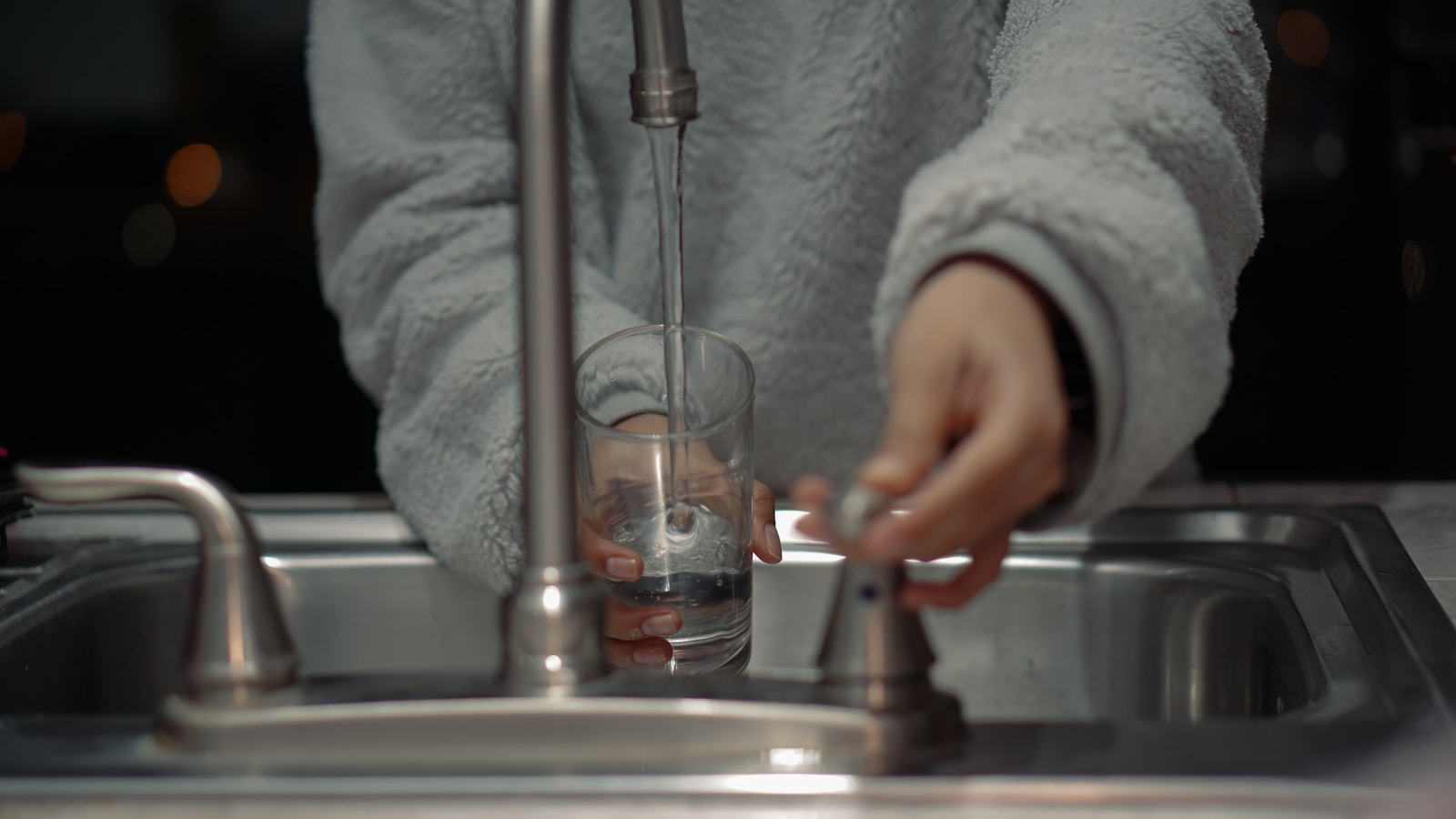
Water bills rarely get the same attention as electricity or gas costs, but for low-income households they represent a genuine monthly burden that can tip a tight budget into crisis. Unlike electricity and natural gas, water does not have a large federal assistance program equivalent to LIHEAP, which means most help is pieced together through state programs, local utility policies, and nonprofit resources. That patchwork is harder to navigate, but the options are more substantial than most households realize, and knowing where to look is half the battle.
Federal and State Water Assistance Options
There is no dedicated federal program specifically for water bills the way LIHEAP covers energy costs. However, some states have created their own water assistance programs funded through state budgets or utility commission mandates. California’s Low-Income Household Water Assistance Program, known as LIHWAP, is one of the most established, providing direct bill assistance to qualifying households. Several other states implemented their own water assistance programs following federal LIHWAP grants distributed during 2021 and 2022, and some of those programs continued operating with state funding into 2026. Checking with your state’s department of community affairs or public utility commission is the fastest way to find out whether a state-level water assistance program operates in your area and whether it is currently accepting applications. The 211 hotline is another reliable entry point, as operators maintain updated local program lists and can tell you immediately which programs are active and funded in your county. Pursuing water bill savings through every available channel simultaneously rather than one at a time is the approach most likely to produce meaningful relief quickly.
Utility-Based Low-Income Programs and Discount Rates
Most water utilities, whether publicly or privately operated, are required by state regulators to offer some form of low-income assistance or discounted rate program. These programs go by different names depending on the provider. Some offer a flat percentage discount on the monthly bill for qualifying households. Others cap the bill at a percentage of household income, similar to how rental assistance caps housing costs. Some utilities offer payment plans for past-due balances that spread arrears over 12 to 24 months without interest or shutoff proceedings while the plan is active. To find out what your specific water utility offers, call the billing department and ask specifically about low-income discount programs, budget billing arrangements, and hardship payment plans. Do not assume the utility will tell you about these programs without being asked, because many utilities do not proactively notify customers about available assistance even when customers are delinquent on their bills. Applying for a discount rate and requesting a payment arrangement for any past-due balance at the same time is usually the most efficient way to stabilize your account.
Nonprofit and Community Resources for Water Bills
Several national nonprofits provide direct financial assistance that can be applied to water bills in addition to other utility costs. The Salvation Army emergency assistance fund and Catholic Charities local chapters both accept requests for help with water bills in many communities, particularly when the household faces a shutoff notice. Community action agencies, which administer LIHEAP in most states, sometimes maintain separate emergency utility funds that cover water in addition to energy costs. These funds are typically small and distributed on a first-come, first-served basis, so contacting your local community action agency early when you see a water bill becoming unmanageable gives you a better chance of receiving help before the fund is depleted for the month. Some communities also benefit from programs operated by local water utility foundations, which collect voluntary contributions from customers to fund emergency assistance for neighbors who cannot pay. Asking your water company whether it operates a foundation or ratepayer assistance fund is a quick question that sometimes reveals a locally funded resource that does not appear in any public directory.
Protecting Yourself From Shutoff While Seeking Help
Most states have consumer protection rules that regulate when water utilities can legally shut off service, particularly for households with children, elderly members, or serious medical conditions. If your account is delinquent, understanding your state’s shutoff protections gives you time to apply for assistance before service is interrupted. Medical certifications from a physician documenting that a household member has a condition that makes water shutoff a health risk can delay disconnection in many states for 30 to 90 days while you seek help. Contacting your utility before your account reaches a shutoff threshold, rather than waiting for a notice to arrive, also gives you access to more payment options and demonstrates the good faith that utility customer service representatives respond to most positively. Keep copies of every application you submit and every communication you receive, because documentation of active applications often carries weight in both utility payment negotiations and, if necessary, in complaints filed with your state’s public utilities commission.
Water assistance is more fragmented than energy assistance, but real options exist at the state, utility, and community level. The key is starting the search before the account falls too far behind, calling 211 to map what is locally available, and asking your utility directly about programs it may not advertise. Combining a discount rate, a payment plan, and emergency nonprofit assistance is often the combination that keeps service on and the account moving in the right direction.
Frequently Asked Questions
Is there a federal water assistance program like LIHEAP for energy bills? No, there is no dedicated federal water assistance program equivalent to LIHEAP. Instead, help comes from a patchwork of state programs, utility discount policies, and nonprofit resources. Some states, like California with LIHWAP, run their own established water assistance programs, but coverage varies a lot by location, so check with your state’s department of community affairs or public utility commission first.
How do I find out if my water utility offers a low-income discount? Call your utility’s billing department directly and ask specifically about low-income discount programs, budget billing, and hardship payment plans. Many utilities do not proactively tell customers about these options, even when you are already behind on payments. Ask about a discount rate and a payment arrangement for any past-due balance in the same call, since applying for both together is usually the most efficient way to stabilize your account.
What should I do if I am about to get my water shut off? Contact your utility before your account reaches the shutoff threshold rather than waiting for a notice, since this gives you access to more payment options. If a household member has a medical condition made worse by losing water, a physician’s medical certification can delay disconnection for 30 to 90 days in many states. Keep copies of every application and communication, since documentation carries weight in both negotiations and any complaint filed with your state’s public utilities commission.
What is a common mistake people make when seeking water bill help? Waiting until the account is deeply delinquent before reaching out is the biggest mistake. Community action agency emergency funds are typically small and distributed first come, first served, so contacting them early when a bill starts becoming unmanageable gives you a better shot before the fund runs out for the month. Pursuing state programs, utility discounts, and nonprofit help all at once, rather than one at a time, tends to produce relief faster.
Do nonprofits help with water bills specifically? Yes, several national nonprofits like the Salvation Army and local Catholic Charities chapters accept requests for water bill help, particularly when you are facing a shutoff notice. Some water companies also run their own foundations funded by voluntary customer contributions to help neighbors who cannot pay, so it is worth directly asking your utility whether it operates one. These local funds often do not appear in any public directory, so you have to ask.




Leave a Reply